
In many African cultures, a girl getting their first period is not always the exciting milestone of growing up that it should be. Sometimes, it is a moment of fear, embarrassment and confusion.
A stained school uniform can attract laughter from classmates, while the simple act of asking a father for sanitary pads can feel like an impossible conversation. For years, menstruation has been treated as a taboo, something to hide, leaving many girls to manage the healthy and natural process in silence.
But behind this silence are the real stories of young people who are beginning to challenge it.
In Napak District, Maija Napeyok remembers being laughed at by boys after staining her dress while fetching water. The experience followed her into the classroom, where she became afraid to stand up and answer a question. Her friend, Joanita Abura, had an equally difficult experience. When her first period came she had no sanitary pads and underwear and had to stay away from school for five days. She described having to bathe repeatedly and wrap herself in a thick skirt. Their experiences were documented by UNICEF Uganda in 2018, UNICEF believes in ending this period stigma through changing social norms and behaviours.
Yet their story didn't end there. Through menstrual health clubs established at their school, boys and girls began learning together, making reusable pads and supporting one another. Maija later explained that boys who previously laughed at girls are now offering their sweaters when accidents happen. What had once been a source of humiliation was slowly becoming an opportunity for kindness and solidarity.
Most recently, a story from Busia captured another side of this change. Seventeen year old Lovence Angecheri Manjeri had spent years avoiding conversations about menstruation with her father. After staining her uniform at school and facing ridicule from her male classmates, she began missing lessons. Although her father could provide for her needs, she found it difficult to ask him for sanitary pads because he is a man. Following community dialogues that encouraged open communication between parents and children, she finally approached him. His response surprised her, he wondered why she had been afraid to ask in the first place. Lovence has since formed a group of 15 girls known as Champions for Change , encouraging others to speak openly about their menstrual needs. Her story was reported by Daily Monitor in December 2025.
The change is also visible among boys. In a November 2026 UNICEF story from Rupa Primary School in Moroto, 17 year old Mosses spoke about how he and other boys had learnt to support girls during menstruation. His response was simple: when a girl's period comes unexpectedly, they protect her and offer their shirts to cover her uniform. Another learner, Joyce says the boys’ support has made her feel respected and more comfortable attending school.
These stories remind us that changing menstrual stigma is not only about providing sanitary products. It is also about changing how people think, speak and respond. It is about fathers becoming comfortable discussing periods with their daughters, boys learning that menstruation is nothing to laugh about and girls feeling confident enough to ask for what they need.
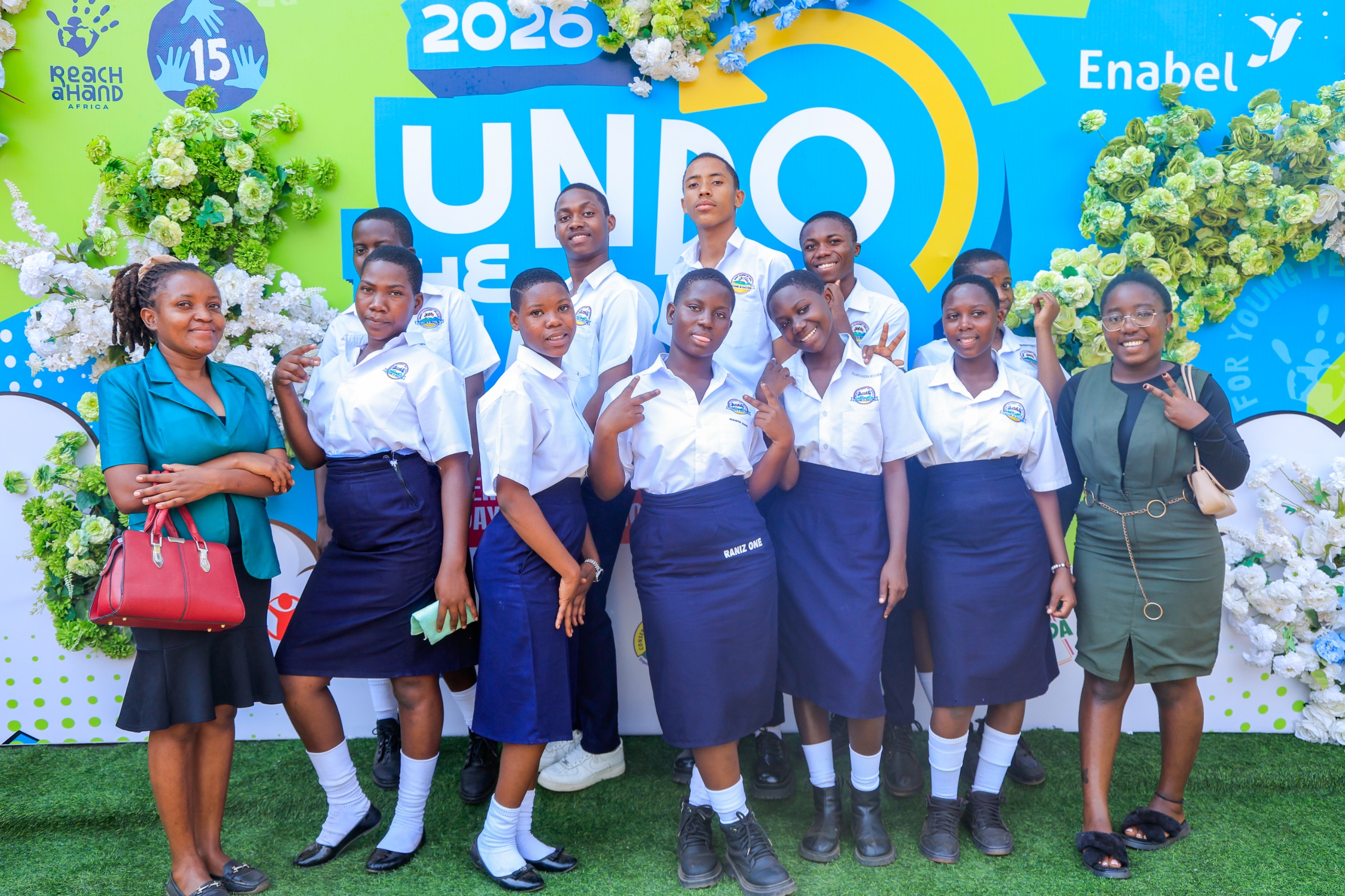
Organisations like Reach A Hand Africa are contributing to this shift through initiatives such as the Undo the Taboo Menstrual Hygiene Campaign, which uses poetry, drama, dance, music and fashion and other creative expressions to give young people a platform to challenge menstrual stigma. By bringing boys and girls into the same conversation, these spaces make it easier to discuss what was once considered too embarrassing to mention.
There is still a long way to go. Many girls continue to lack affordable menstrual products, adequate sanitation facilities and the support they need at home and school. But the stories emerging from communities across Uganda show that change does not always begin with a major policy or national campaign. Sometimes, it begins with a girl finding the courage to ask a father for pads, a boy offering his sweater, or a group of students deciding that no girl should miss school because of her period.
Perhaps that is what makes this shift so meaningful. Young people are not simply asking their communities to change , they are showing them what change looks like.
The silence is beginning to give way to understanding, and the girls who once felt they had to hide are finding the confidence to speak. One conversation, one classroom and one community at a time, menstruation is becoming what it should always have been: a normal part of life, never a reason for shame.
Young people for young people

© Reach A Hand Uganda. Empowering young people through education, advocacy, and innovation. Connect with us to build a healthier, more inclusive future.
info@reachahandug.org
+256 414 697 037
All rights reserved 2025