Let's be honest, when a young man is going through a difficult time, who does he turn to?
Think about a young man dealing with school pressure, looking for a job, relationship challenges or family responsibilities. He wants to talk, but something holds him back. He has grown up hearing that men should be strong, should not cry and should deal with their problems on their own. So instead of speaking up, he keeps everything to himself.
The seriousness of men's mental health is reflected in Uganda's suicide statistics. According to the World Health Organization's 2021 estimates, the suicide mortality rate among males aged 15–29 was 6.5 per 100,000, compared to 2.1 among females. For those aged 30–49, it was 15.6 among males and 3.1 among females. While suicide has many contributing factors, these figures highlight the need to pay greater attention to men's mental health.
From a young age, many boys are taught what it means to be a man. They are expected to be tough, independent and strong. But what happens when strength means never showing that you are hurting? Statements like “boys don't cry” and “be a man” may seem harmless, yet they can shape how boys understand and express their emotions. When reinforced by families, friends and communities, these expectations become social norms that influence whether men feel comfortable asking for help.
These expectations are not just something we talk about; research in Uganda has also begun to explore how they affect men's experiences. In a 2025 study titled “Taking Off the Mask”, Kobusingye and colleagues found that some men experienced pressure to live up to expectations of masculinity, including the need to always appear strong. The study highlighted this through themes such as “Be A Man” and the “Burden of Strength”. A related 2026 study by Kobusingye further explored men's experiences of professional counselling, showing the importance of having spaces where they feel heard and understood. Together, these findings remind us that men need more than encouragement to be strong; they also need spaces where they can be vulnerable and seek support.
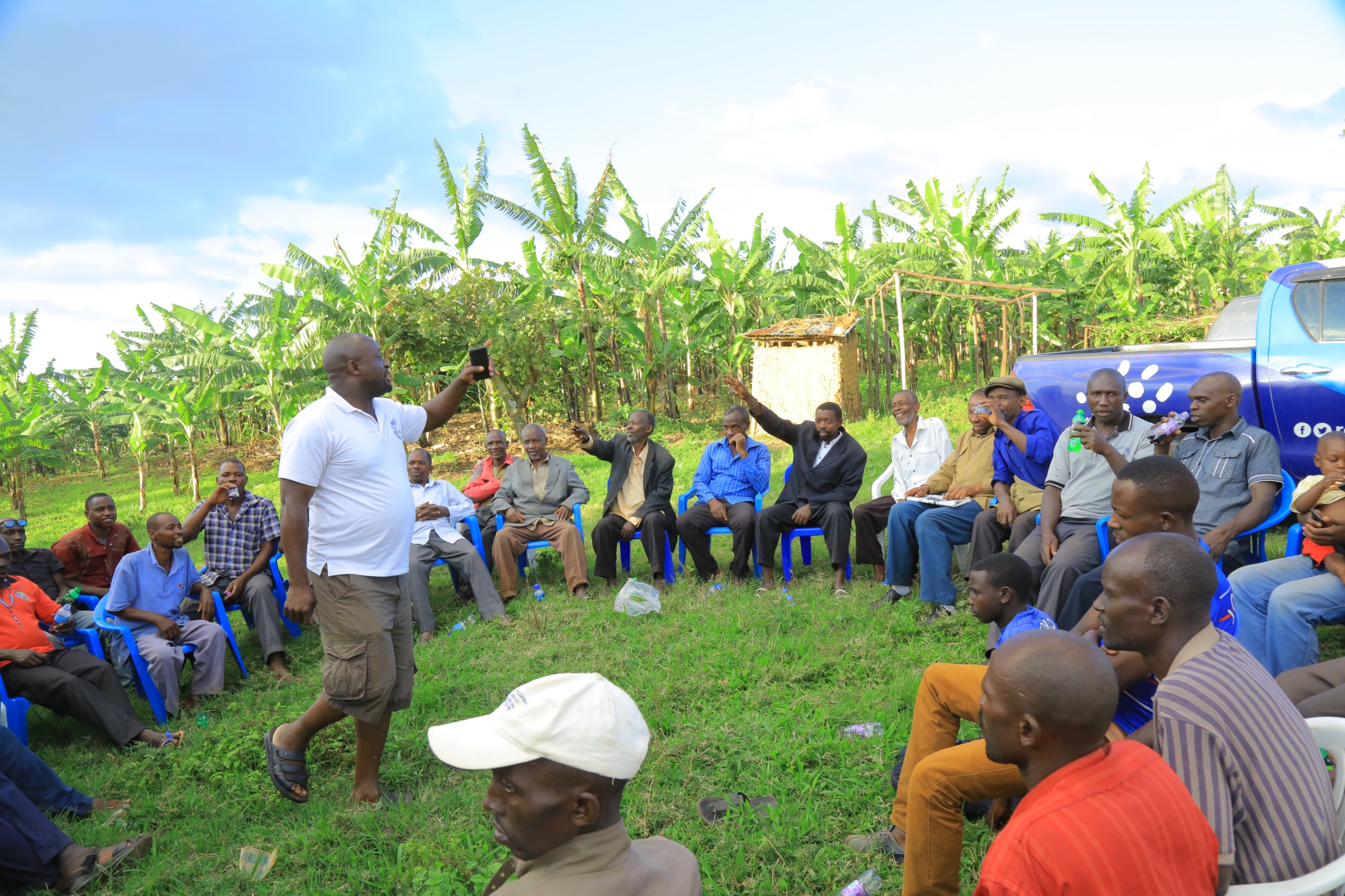
Creating spaces for these conversations is important. Reach A Hand Africa contributes to young people's wellbeing through initiatives such as the Be Better campaign. Through school engagements, peer learning, creative expression and digital platforms, this initiative encourages conversations around emotional wellbeing, self-awareness and the challenges young people face.
We can all play a part in changing these expectations. Boys should be able to express sadness without being laughed at and young men should be able to ask for help without feeling judged. Perhaps it is time we changed how we define strength. Sometimes, strength is being able to say, “I'm not okay, and I need help.”
Because while we often ask young men how they are doing, do we really give them the space to answer honestly?
Young people for young people
© Reach A Hand Uganda. Empowering young people through education, advocacy, and innovation. Connect with us to build a healthier, more inclusive future.
info@reachahandug.org
+256 414 697 037
All rights reserved 2025