When heavy rains arrive, our first concerns are often flooded homes, damaged roads and the disruption they bring to everyday life. However, for communities living near water bodies in Soroti District, rising water levels bring another danger that is sometimes overlooked: drowning. Familiar routes can become unsafe and simple activities such as fetching water or walking to school can expose people to dangerous water environments.
Uganda's September to December 2026 seasonal climate outlook from the Ministry of Water and Environment highlights the possibility of increased rainfall in parts of the country, including eastern Uganda, partly influenced by El Niño. Heavy rains do not only increase the risk of flooding, they can also contaminate water sources, overwhelm pit latrines and make it harder for families to access safe water. When their usual water sources become unsafe, people may have to travel further or use unfamiliar rivers and open water sources. Flooded sanitation facilities can create similar challenges. Women and children may face greater exposure because of their daily household and caregiving responsibilities.
The scale of drowning in Uganda makes these risks even more concerning. Research by Makerere University School of Public Health estimates that approximately 2,942 people die from drowning each year. Although this is an estimate rather than a confirmed annual death count, it shows how serious this public health issue is and why more attention needs to be given to prevention.
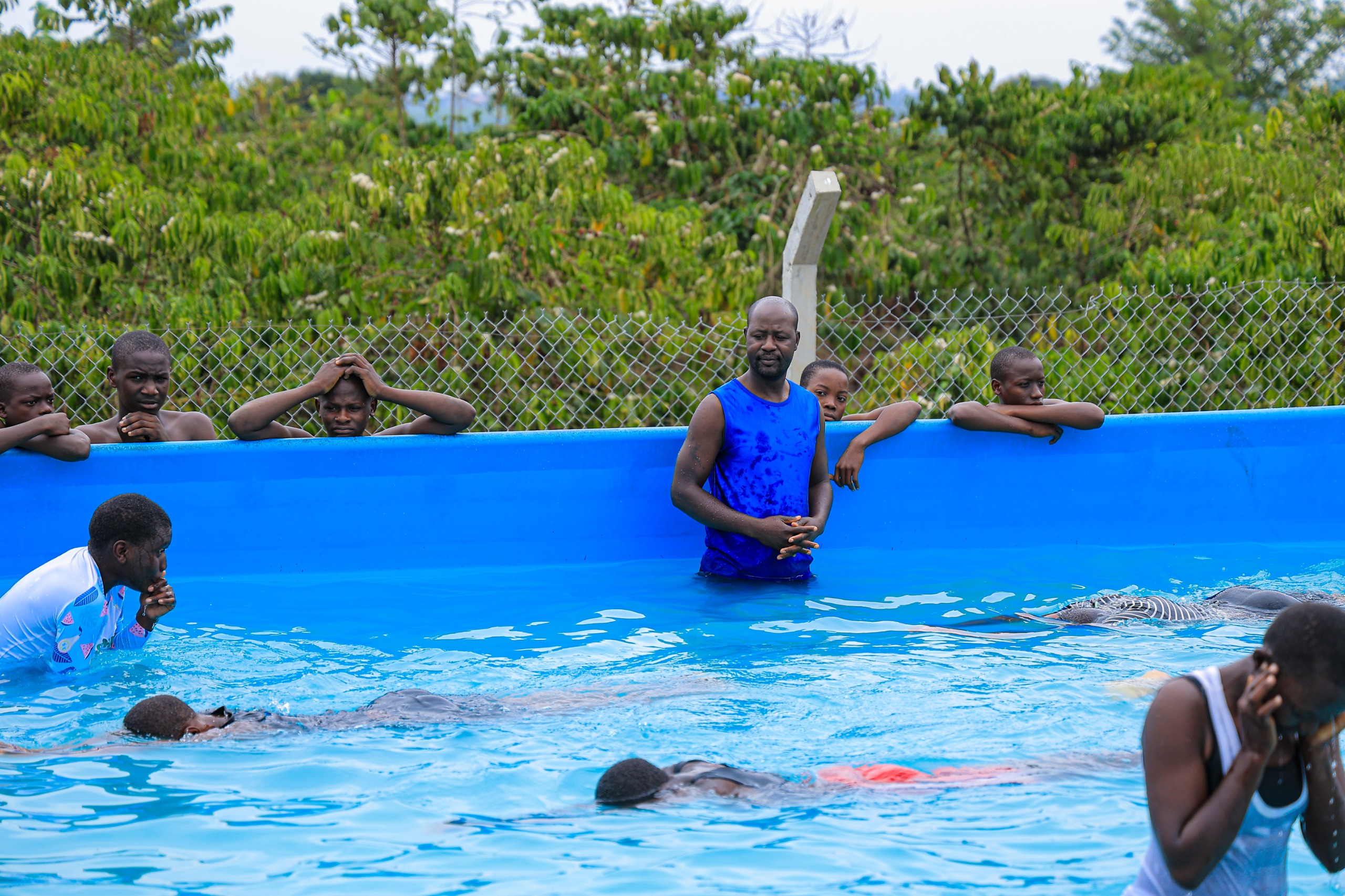
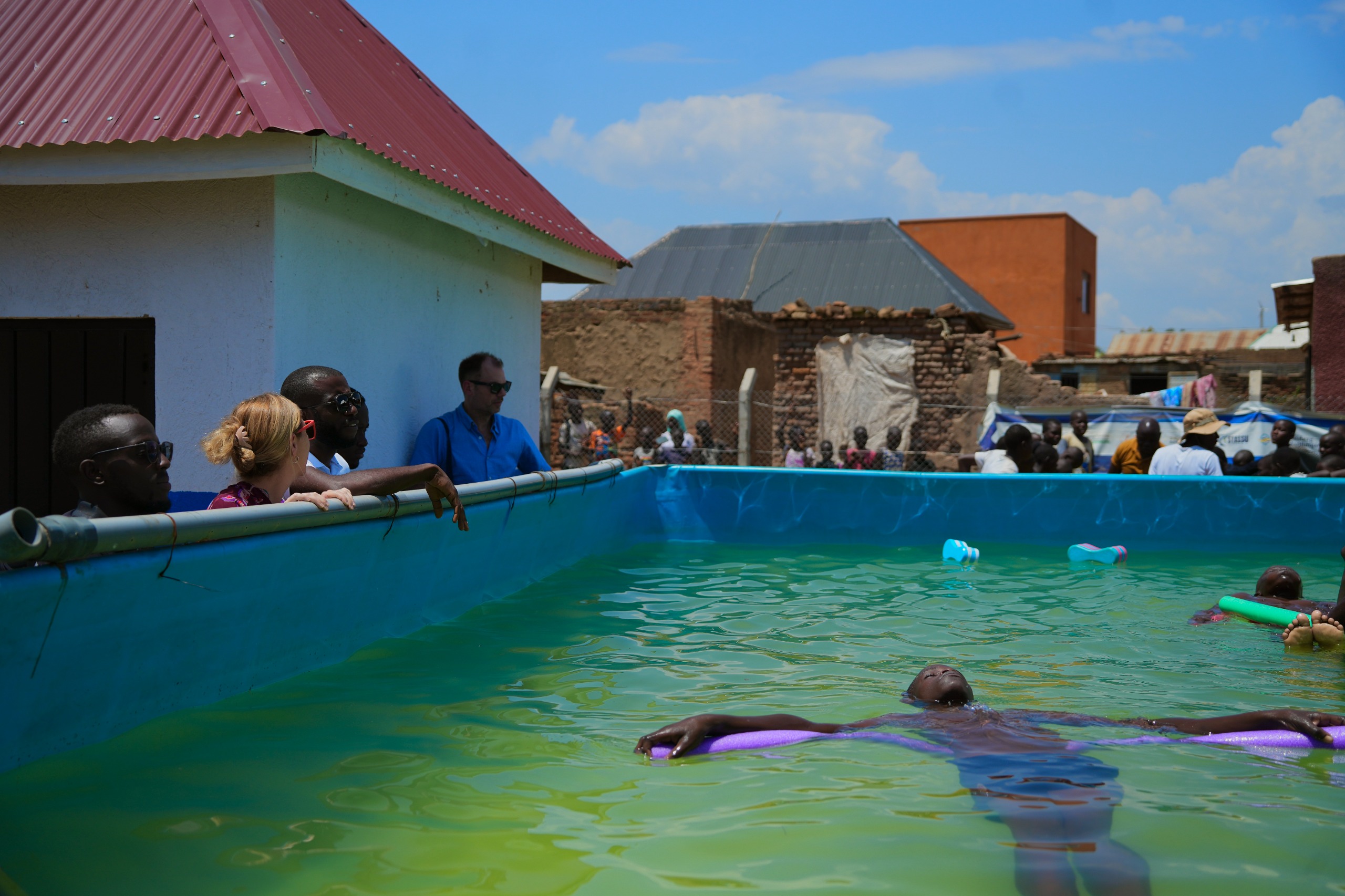
Through its Drowning Prevention Project under the Omanyi Okuwuga ("Do you know how to swim?") campaign, Reach A Hand Africa (RAHA) is working with communities to improve water safety awareness and build practical survival skills. Through structured swimming sessions and the use of portable swimming pools, participants get opportunities to learn important skills such as floating, controlling their breathing and staying calm when they find themselves in water.
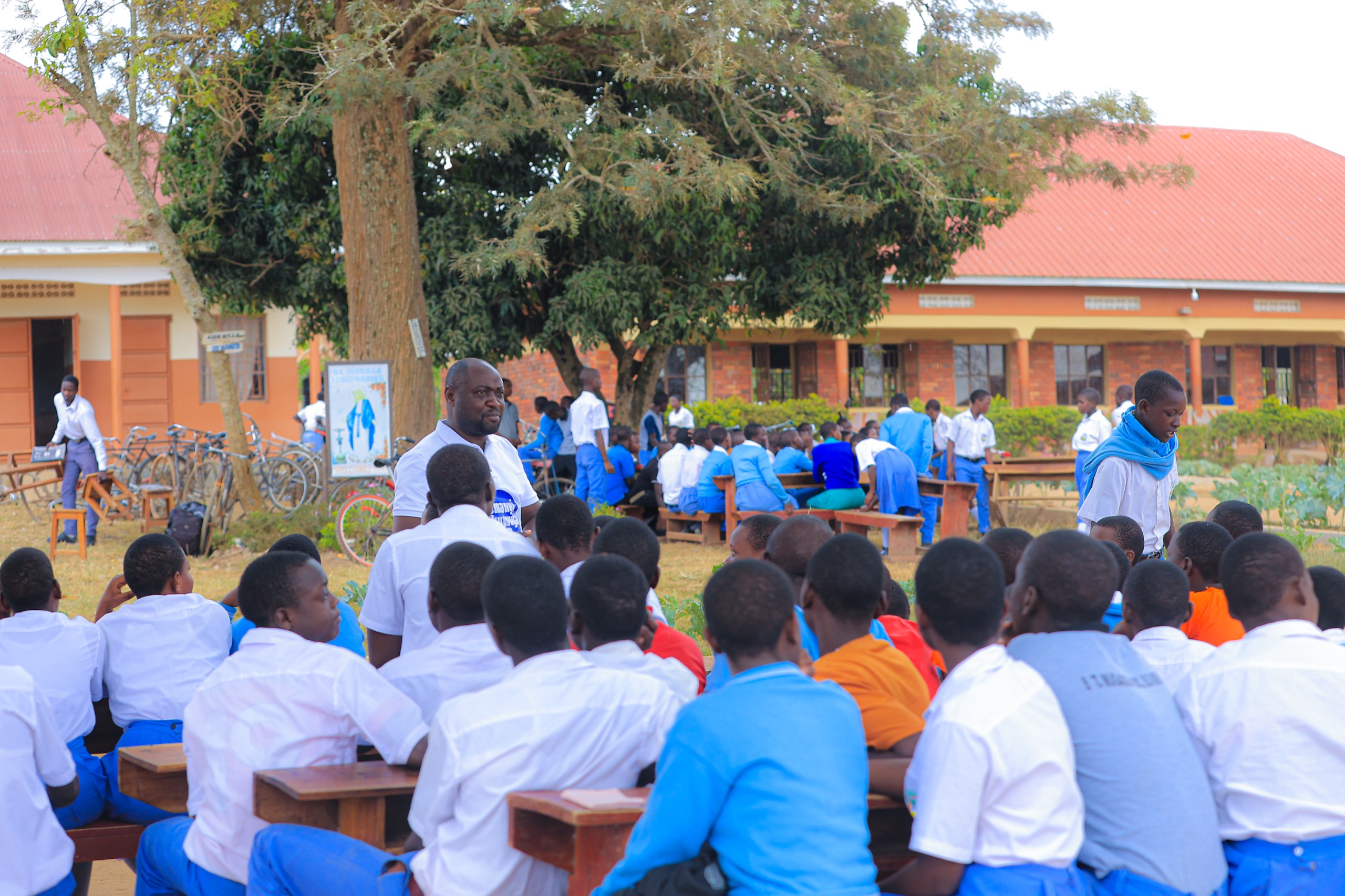
These efforts are also reaching children in schools. Recently, the RAHA team conducted a water safety school outreach at Kamuda Primary School in Soroti, reaching 210 learners from Primary One and Primary Two. The group included 113 boys and 97 girls, among them two learners with disabilities, two teachers and the headteacher also attended. The learners showed great interest in the swimming lessons, while the teachers expressed their willingness to take part in future sessions. This shows the value of introducing water safety education early and involving teachers in helping children understand how to protect themselves.
As the rainy season continues, keeping communities safe requires more than responding when accidents happen. It also means making sure families can access clean water, use safe sanitation facilities and practise safe water storage and treatment. These efforts can reduce the need for people to make unnecessary journeys to unsafe water sources.
Ultimately, drowning prevention is a shared responsibility. Through awareness, practical swimming skills and access to safe water and sanitation, communities can take steps towards protecting lives. When the waters rise, knowing how to stay safe can make all the difference.
Young people for young people

© Reach A Hand Uganda. Empowering young people through education, advocacy, and innovation. Connect with us to build a healthier, more inclusive future.
info@reachahandug.org
+256 414 697 037
All rights reserved 2025