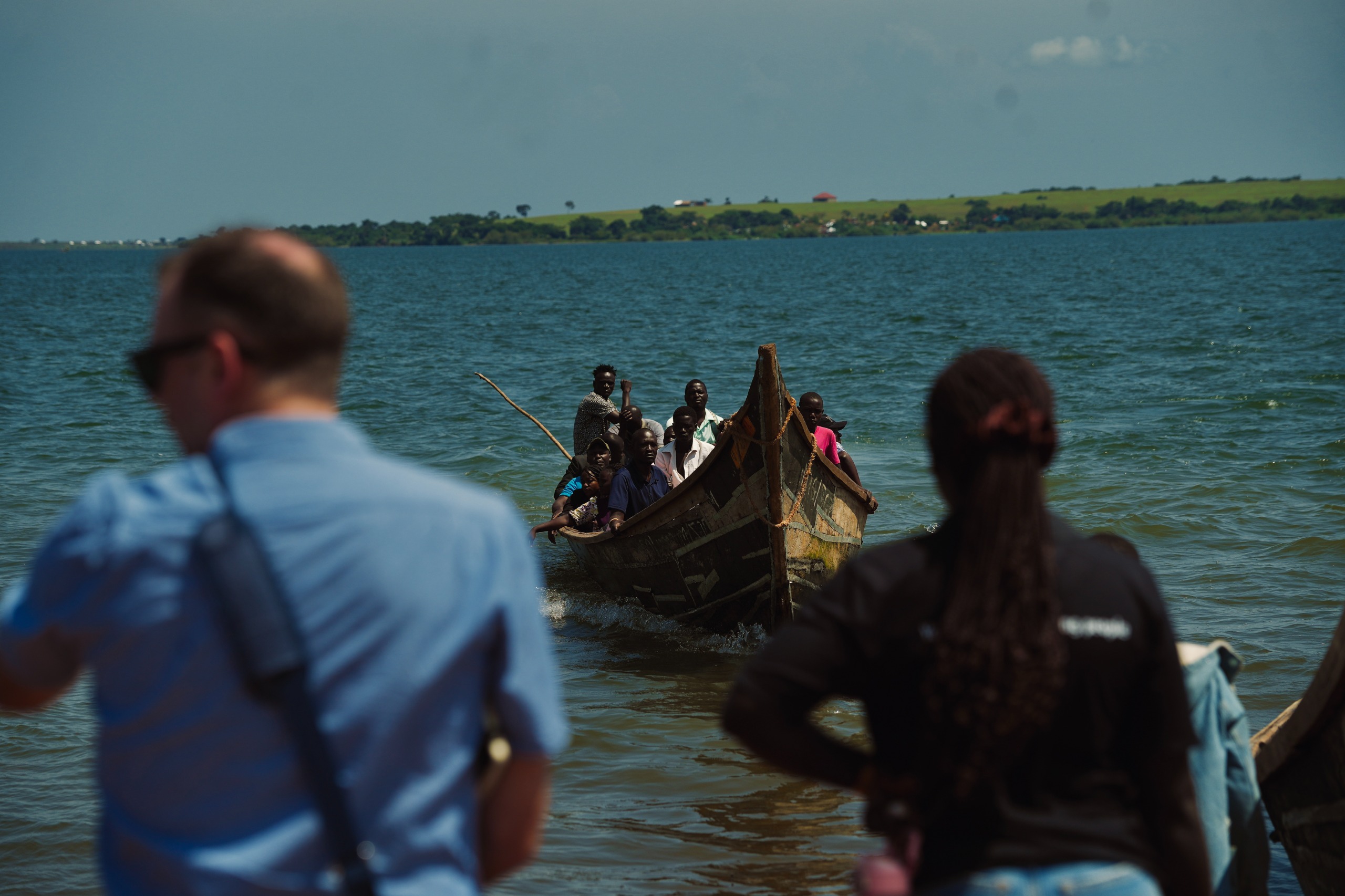
Picture preparing for another day of fishing, checking your nets, arranging your equipment and setting off onto the lake. It feels familiar, but one thing is missing: a life jacket. For many people who work on the water, setting off without one has become ordinary.
UNICEF defines a social norm as an informal rule that dictates what a community regards as acceptable. On the Masaka waterways, you can see it in action with colleagues going about their business without lifejackets. Some will say they are good swimmers or used to the lake and don't need a lifejacket. An individual choice becomes a collective behaviour and an unsafe practice becomes a social norm.
A Makerere University School of Public Health and Uganda Police Marine Unit study found that 95% of the victims of boat related drownings across all of Uganda's water bodies were not wearing lifejackets. Observed lifejacket use among occupational boaters and fishermen on Lake Victoria ranged from 2% to 26.1%.
Story lens
A 2024 tragedy in Masaka illustrates the danger. On 1 October, a boat travelling towards Kachanga Landing Site capsized in heavy waves. Five people drowned. The report said one passenger had a life jacket, while two others swam to shore.
When unsafe behaviour becomes the norm
Why would someone who spends much of their life on the water leave behind essential safety equipment? Inferred reasons include discomfort, cost, confidence in swimming ability or the belief that short journeys are harmless. Knowing how to swim does not make anyone immune to drowning. A sudden capsize, strong waves, injury or exhaustion can overwhelm even a confident swimmer. Someone thrown unexpectedly into deep water may become disoriented or unable to keep their airway clear. A life jacket helps keep a person afloat.
A survey of lakeside fishing communities in Uganda found that 48.7% of participants could swim. Swimming ability and life-jacket use are different safety measures; one cannot replace the other.
Changing the conversation, changing the culture
Reach A Hand Africa’s “Omanyi Okuwuga?” (Do You Know How to Swim?) campaign challenges these attitudes through behaviour-change communication, school outreach, community engagement, and storytelling.
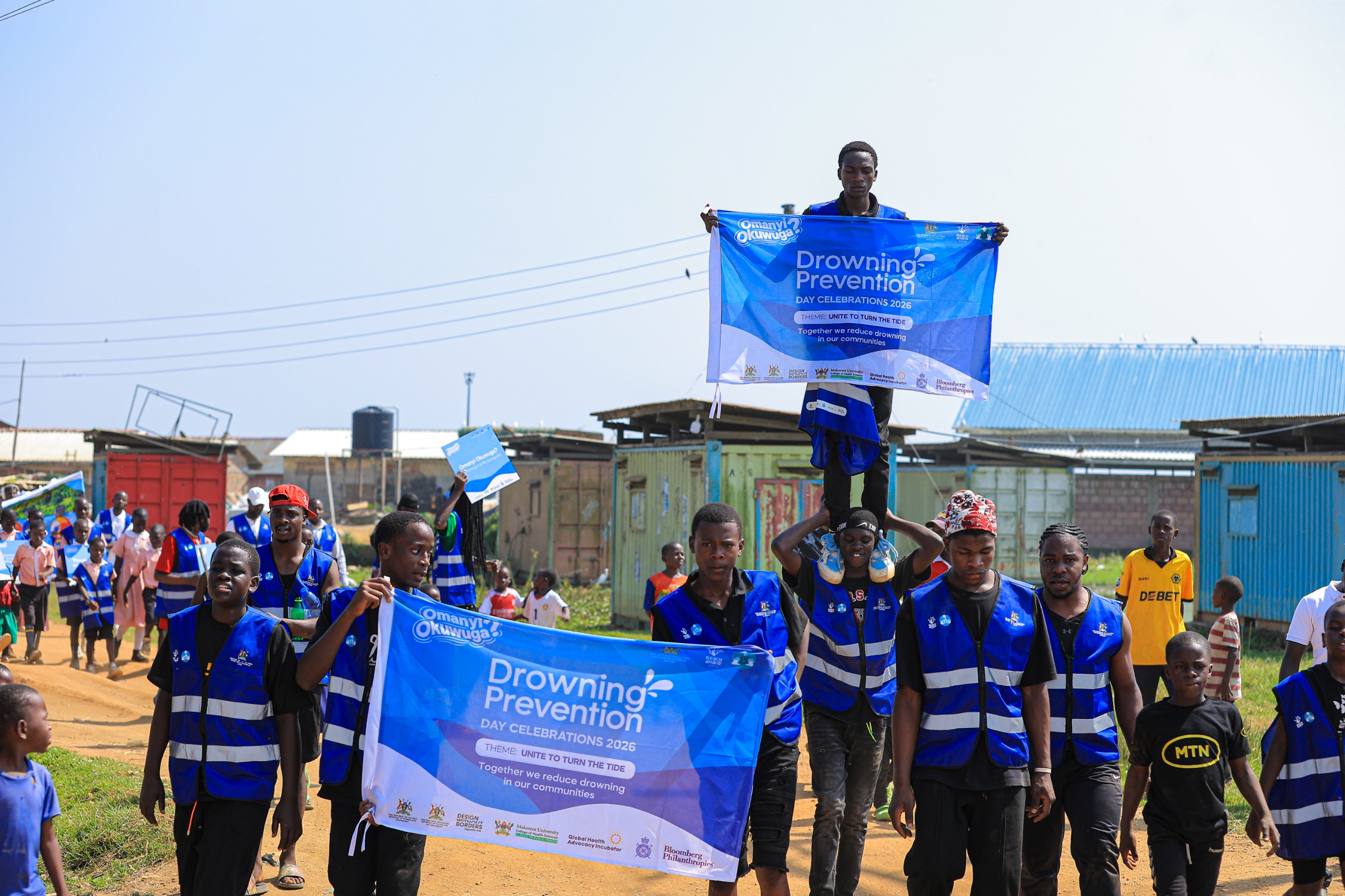
In Masaka, Children at St Immaculate Primary School looked at the risks of drowning when they watched RAHA's documentary, The Unpredictable Waters. At the Lambu 2026 World Drowning Prevention Day events, there was a procession and a community dialogue with fishermen, residents, and local leaders.
Ismail Kayemba reported that three people had drowned in Lambu in the previous month. District officials called for much tougher enforcement of safety rules, with local leaders supportive of expanding access to survival swimming. Lasting change requires more than just information. The community has to question unsafe practices, leaders have to back safe practices, and people have to expect lifejackets on every journey. A lifejacket doesn't mean you can't swim; it just means you accept that the water is an unpredictable environment. Whether you're a seasoned fisherman, a confident swimmer or just a passenger, you need to wear one every time you go on a boat. The habits a community accepts will determine the lives it loses.
Young people for young people

© Reach A Hand Uganda. Empowering young people through education, advocacy, and innovation. Connect with us to build a healthier, more inclusive future.
info@reachahandug.org
+256 414 697 037
All rights reserved 2025