Along the shores of Lake Victoria in Mayuge District, socioeconomic vulnerabilities are pushing young people to leave classrooms for fishing boats at an early age. Many venture into fishing and water transport without formal training or appropriate safety equipment as they seek to alleviate poverty and meet their families' needs.
Beyond livelihoods, Lake Victoria provides young people with opportunities for water-based recreational activities, including swimming, while also serving as a water source of domestic use. However, community assessments across Mayuge's landing sites reveal that fewer than one-third (30.9%) of households have at least one member who can swim, while 95.8% lack aquatic emergency response systems.
Limited survival swimming skills, inadequate knowledge of cardiopulmonary resuscitation (CPR), and minimal awareness of water safety expose young people to preventable drowning risks. Research by Makerere University School of Public Health highlights the magnitude of the problem. The average age of fatal drowning victims in Uganda is 24 years, with young people aged 15–29 accounting for 38% of the country's drowning fatalities. Moreover, nearly half of all drowning incidents occur during occupational activities, emphasising the risks faced by those whose livelihoods depend on water.
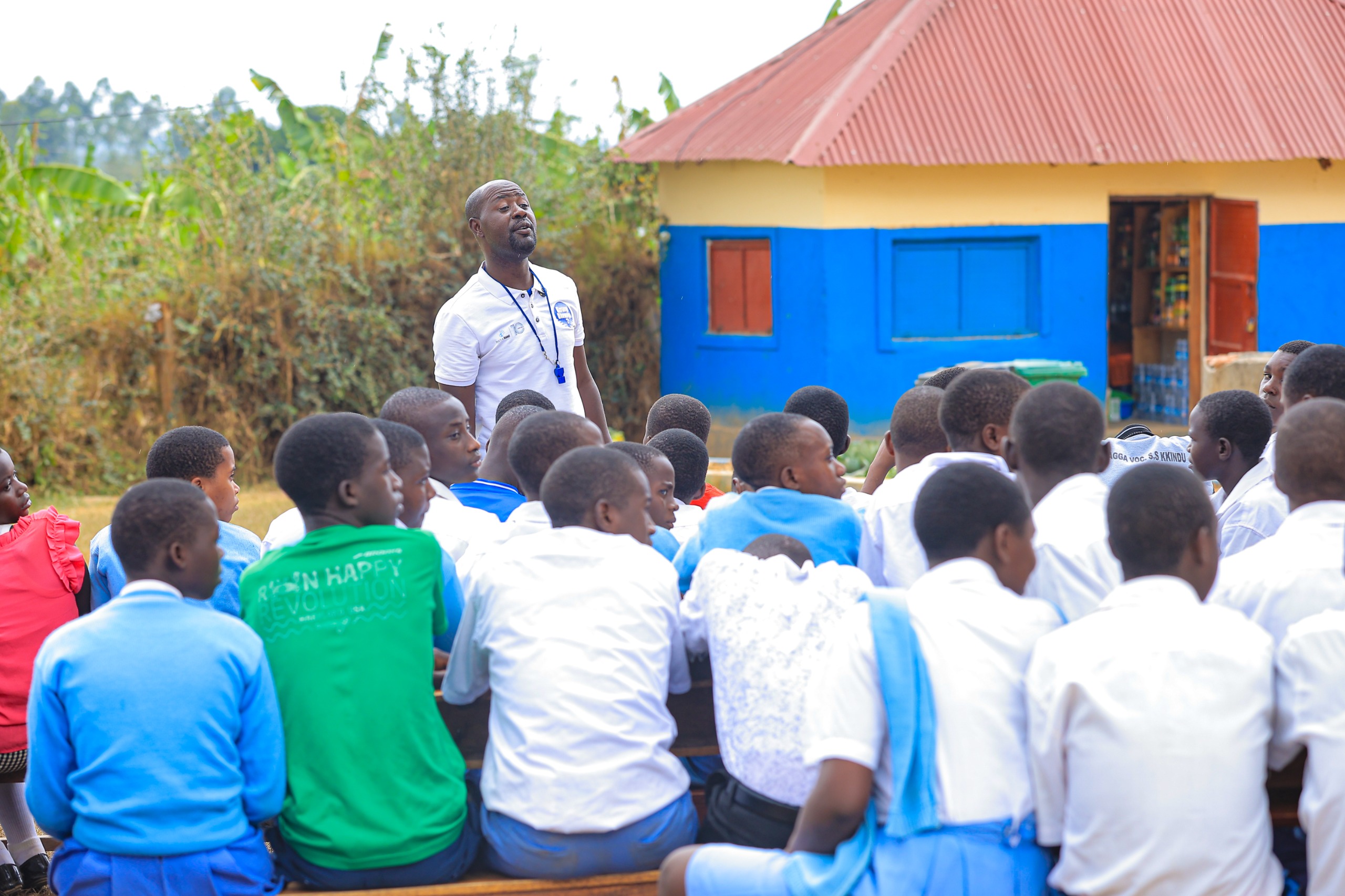
In response, Reach A Hand Africa (RAHA) is implementing a Drowning Prevention initiative in Mayuge District, targeting in-school and out-of-school children aged 6–15 and young people aged 16–30. Through structured survival swimming lessons, basic CPR training and water-safety sensitisation, participants acquire practical skills to identify risks, respond to emergencies and navigate aquatic environments safely.
The initiative is implemented in collaboration with Mayuge District Local Government, particularly the District Health and Education Offices, alongside Village Health Teams (VHTs), Beach Management Units (BMUs) and the Police Marine Unit. These strategic partnerships have strengthened community-level prevention and response mechanisms, including the establishment of first-responder units at landing sites. They also support adherence to life-jacket safety standards and the integration of drowning data into district health reporting systems.
Through these coordinated efforts, RAHA is strengthening community ownership and creating opportunities to integrate drowning prevention into existing health promotion and community mobilisation structures. Ultimately, the initiative recognises that protecting adolescents and young people from drowning goes beyond teaching survival skills; it safeguards their health, livelihoods and potential to contribute to their communities' development.
Young people for young people

© Reach A Hand Uganda. Empowering young people through education, advocacy, and innovation. Connect with us to build a healthier, more inclusive future.
info@reachahandug.org
+256 414 697 037
All rights reserved 2025